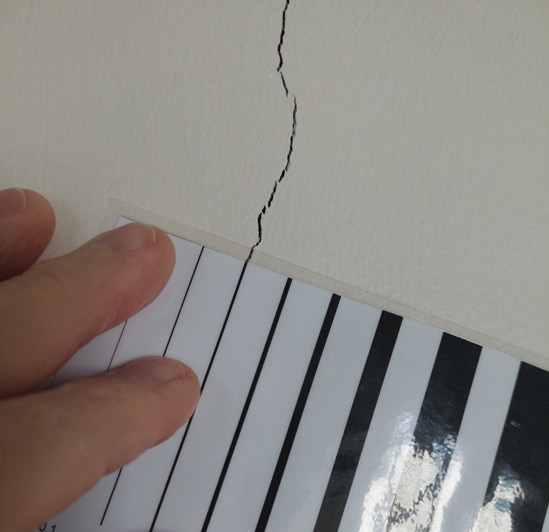
One of the first questions homeowners and property buyers ask is: “How much does a structural engineer inspection cost?”
It’s a fair question - but focusing only on price can be misleading. The real value lies in what the inspection can save you in the long run.
In a property market like Hermanus, where environmental conditions and terrain can introduce hidden risks, a proper structural inspection is not an expense - it’s a safeguard.
What Determines the Cost of a Structural Inspection?
There is no fixed price, because every property is different. However, the cost is typically influenced by several key factors.
1. Property Size
Larger homes require more time to inspect:
• More walls and structural elements
• Larger roof structures
• Additional external features like retaining walls
2. Complexity of the Issue
A simple “peace of mind” inspection is very different from a detailed structural problem investigation.
Examples:
• Minor crack check → quicker assessment
• Suspected foundation failure → more detailed analysis
3. Accessibility
If areas are difficult to access:
• Roof spaces
• Subfloor areas
• Steep sites
This can increase the time and complexity of the inspection.
4. Need for a Written Report
There is a big difference between:
• A verbal assessment on site
• A formal written engineering report
Reports are often required for:
• Property sales
• Legal disputes
• Insurance claims
Typical Pricing Structure (General Guide)
While prices vary, most inspections fall into:
• Basic inspection (verbal feedback): Lower cost
• Inspection with written report: Higher cost
• Detailed structural investigation: Premium level
The key is not to look for the cheapest option - but the most reliable and thorough one.
What You Actually Pay For
A structural inspection is not just someone “looking at cracks.” You are paying for:
Professional Expertise
Years of training and experience in understanding:
• Structural behaviour
• Load paths
• Failure mechanisms
Risk Identification
The engineer assesses:
• Whether movement is ongoing
• Whether there is a safety risk
• Whether urgent action is required
Accurate Diagnosis
Misdiagnosing a problem can be extremely expensive.
For example:
• Treating a cosmetic crack as structural → unnecessary cost
• Ignoring a structural crack → major repair later
Clear Recommendations
You receive:
• Practical advice
• Repair options (if needed)
• Guidance on urgency
Why Choosing the Cheapest Option Can Cost You More
It’s tempting to go with the lowest quote - but this can backfire.
Common Risks of Cheap Inspections
• Superficial assessment
• Missed structural issues
• No accountability
• No proper documentation
Real Consequences
• Hidden defects go unnoticed
• Repairs become more expensive over time
• Property value is affected
Cost vs Potential Loss
Let’s put things in perspective.
Cost of Inspection:
Relatively small once-off fee
Potential Costs Without Inspection:
• Foundation repairs: tens of thousands of rands
• Retaining wall failure: major expense
• Legal disputes: significant financial risk
When an Inspection Is Most Valuable
A structural inspection is especially valuable when:
Buying a Property
• Identifies hidden issues
• Protects your investment
Selling a Property
• Builds buyer confidence
• Avoids last-minute deal failures
Noticing Cracks or Movement
• Early diagnosis prevents escalation
Renovating or Extending
• Ensures structural safety
What Happens During an Inspection?
A typical inspection includes:
1. Site Assessment
• External and internal inspection
• Crack patterns and structural elements
2. Problem Identification
• Cause of defects
• Severity
3. Risk Evaluation
• Immediate vs long-term issues
4. Recommendations
• Monitor, repair, or investigate further
FAQ
Is a written report always necessary?
No - but highly recommended for property transactions.
How long does an inspection take?
Typically 1 - 2 hours depending on size and complexity.
Can I use the report for negotiations?
Yes - this is one of the biggest advantages.
Conclusion
A structural inspection is not just a cost - it is a strategic investment in protecting your property. In Hermanus, where environmental and terrain factors can introduce hidden risks, having a professional assessment can save you from significant financial loss.
Choosing the right structural engineer is far more important than choosing the cheapest one.