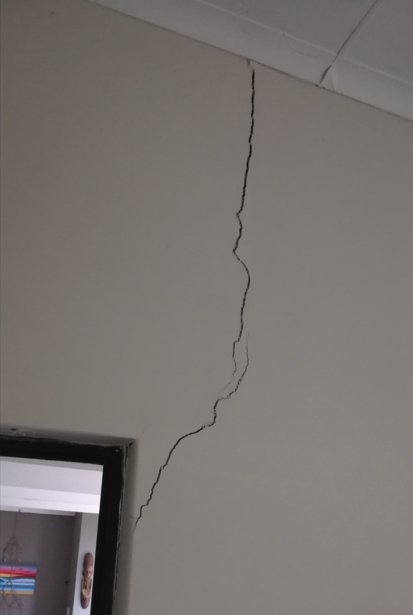
Cracks in walls are one of the most common concerns for homeowners in Hermanus. In many cases, they are harmless and simply part of a building settling over time. However, in other situations, cracks can be early warning signs of serious structural problems that, if ignored, can lead to costly repairs and even safety risks.
Understanding the difference between minor and serious cracks is essential. In a coastal town like Hermanus - where environmental conditions can accelerate structural movement - this knowledge becomes even more important.
Why Cracks Are So Common in Hermanus
Hermanus presents a unique set of conditions that can contribute to cracking in buildings. These include:
1. Coastal Climate Effects
The constant exposure to moisture and salt in the air can weaken building materials over time. This affects:
• Plaster and brickwork
• Steel reinforcement in concrete elements (salt-laden air can lead to corrosion of the steel, which expands internally causing cracking).
2. Soil Movement
Some areas around Hermanus have soils that expand and contract depending on moisture levels. This means:
• During wet periods, soil expands
• During dry periods, soil shrinks
This movement places stress on foundations and can lead to cracking in walls.
3. Temperature Changes
Even moderate daily temperature changes cause building materials to expand and contract. Over time, this leads to:
• Fine surface cracks
• Joint movement
• Stress fractures
4. Poor Drainage
Water accumulating around a structure can trigger the collapse mechanism of the soil beneath foundations, leading to uneven settlement and cracking.
Types of Cracks and What They Mean
Not all cracks are equal. The type, direction, and width of a crack can tell you a lot about what is happening structurally.
Hairline Cracks (Less than 1mm)
These are very common and usually not a cause for concern.
Typical causes:
• Plaster shrinkage
• Minor thermal movement
What to do:
• Monitor them
• Repaint or fill if needed
Vertical Cracks
These cracks often run straight up and down walls.
Typical causes:
• Normal settlement of the building
When to worry:
• If they widen over time
• If multiple cracks appear in different areas
Diagonal Cracks
These cracks typically run at an angle, often from corners of windows or doors.
Typical causes:
• Differential settlement (one part of the building moving more than another)
Why they matter:
• They are often early signs of structural movement
Horizontal Cracks
These are the most concerning type.
Typical causes:
• Pressure from soil against walls
• Retaining wall failure
• Structural stress
Why they are serious:
• They can indicate structural instability
• Often require urgent attention
Warning Signs You Should Not Ignore
If you notice any of the following, it is strongly recommended to consult a Structural Engineer:
• Cracks wider than 3mm
• Cracks that are growing or changing shape
• Doors and windows that suddenly start sticking
• Floors that feel uneven or sloped
• Cracks appearing in multiple areas of the property
• Gaps forming between walls and ceilings
These signs often indicate that movement is ongoing - not just historical.
Why Ignoring Cracks Can Cost You
Many homeowners delay addressing cracks because they appear minor. However, small problems can escalate because of:
1. Water Ingress
Cracks allow moisture to enter walls, leading to:
• Damp problems
• Mould growth
• Material deterioration
2. Structural Weakening
Over time, cracks can:
• Reduce load-bearing capacity
• Lead to further movement
3. Property Devaluation
Visible cracks can:
• Reduce buyer confidence
• Lower property value significantly
4. Expensive Repairs
Early intervention is always cheaper than major structural repair.
What a Structural Engineer Will Do
When you call a Structural Engineer, the goal is not just to “look at cracks” - it is to diagnose the underlying cause.
A typical assessment includes:
Visual Inspection
• Crack patterns
• Location and severity
• Associated structural elements
Cause Identification
• Settlement
• Soil movement
• Structural failure
• Moisture issues
Risk Assessment
• Is the issue stable or worsening?
• Is immediate action required?
Recommendations
• Monitoring (if minor)
• Repair methods
• Further investigation (if needed)
Common Misconceptions
“All cracks are dangerous”
False. Many cracks are cosmetic.
“If it’s been there for years, it’s fine”
Not always. Some problems develop slowly.
“I can just patch it”
Covering cracks does not fix the underlying issue.
When to Act Immediately
Call a structural engineer urgently if:
• Cracks appear suddenly
• A retaining wall is bulging or leaning
• You hear cracking sounds
• Structural elements appear to be moving
FAQ
Are cracks normal in houses?
Yes, especially minor ones. But certain patterns indicate problems.
How wide is too wide?
Generally, anything over 3mm should be assessed.
Can cracks be repaired permanently?
Yes - but only if the root cause is addressed.
Conclusion
Cracks in walls are not something to panic about - but they are also not something to ignore. In Hermanus, where environmental conditions can accelerate structural movement, it is especially important to act early.
A professional structural assessment gives you clarity, peace of mind, and protection against costly future damage.