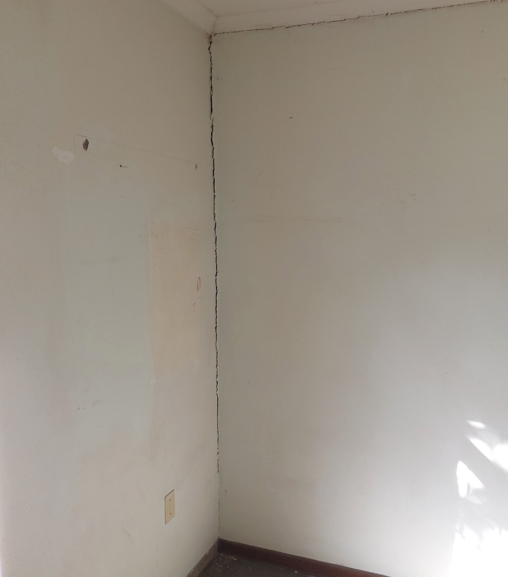
If you live in the Overberg, you’ve likely seen cracks appear in walls - sometimes small and harmless, other times widening over months and raising real concern. While many homeowners assume poor construction is to blame, the truth is often beneath your feet.
The Overberg’s complex soil profile - including aeolian sands, weathered sandstone, quartzite-derived soils, clays, and transported materials - plays a major role in structural movement.
Understanding these conditions is critical to diagnosing cracks correctly and avoiding costly mistakes.
The Overberg’s Unique Ground Conditions
The Overberg is geologically diverse, with soils formed from a mix of:
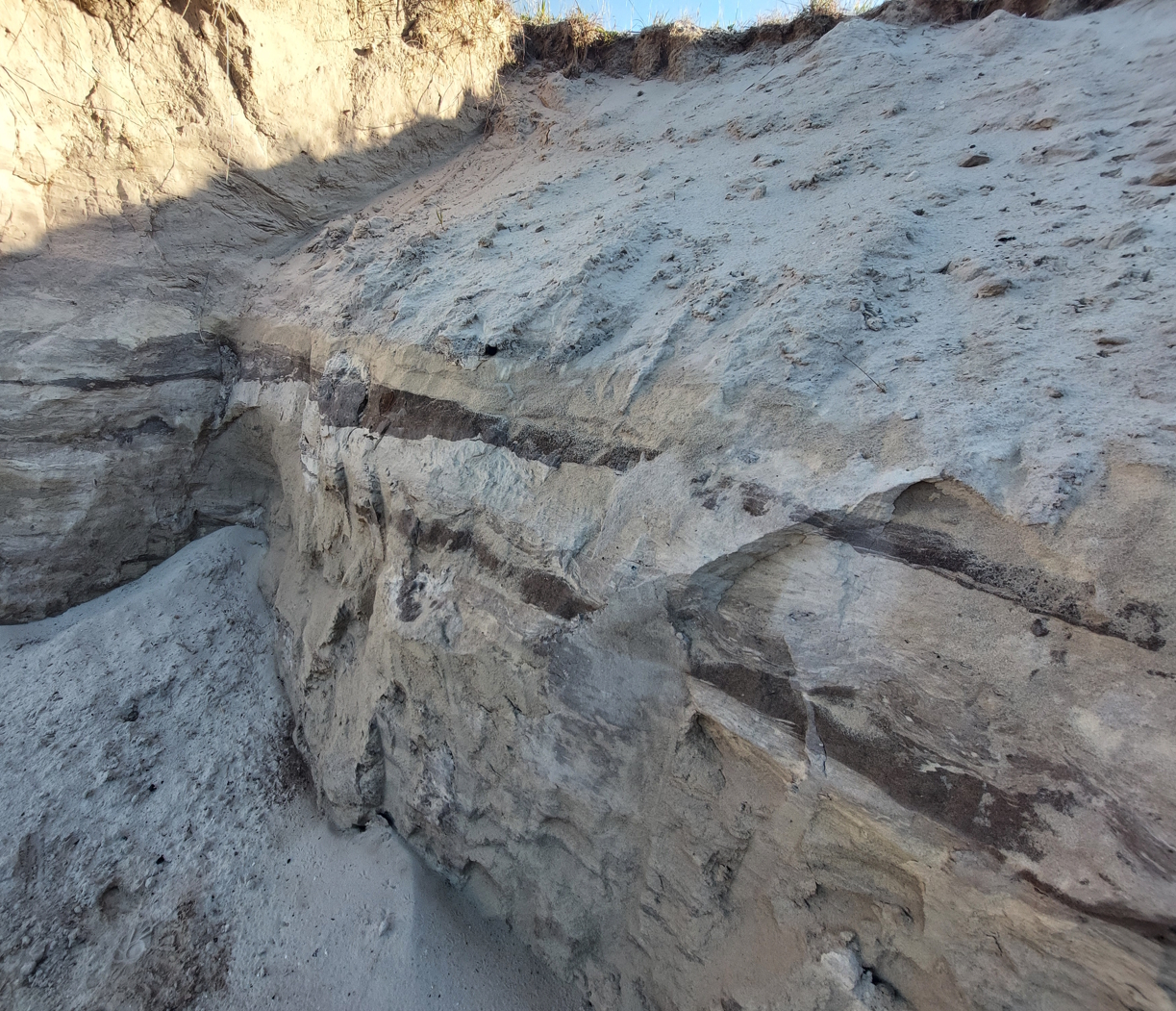
• Wind-blown (aeolian) sands
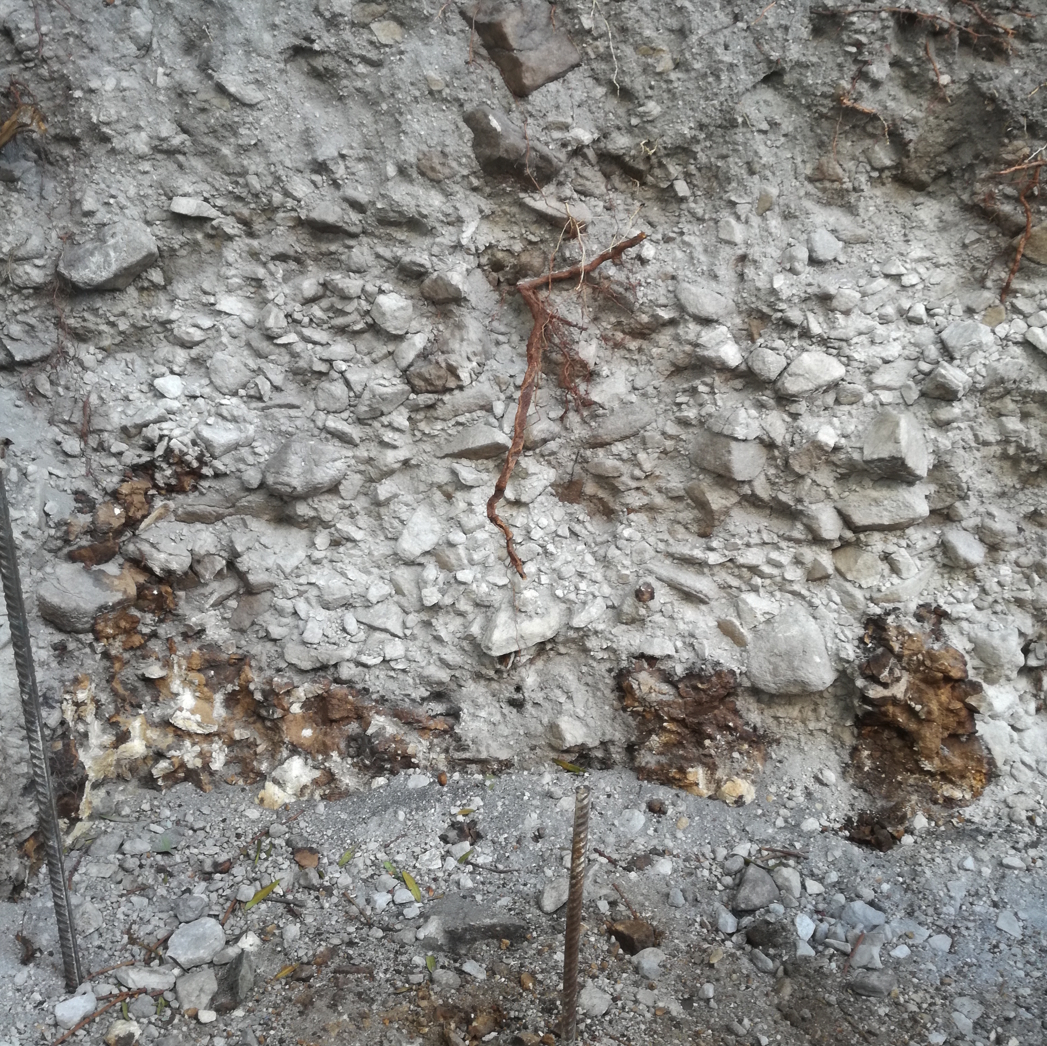
• Residual soils from weathered rock
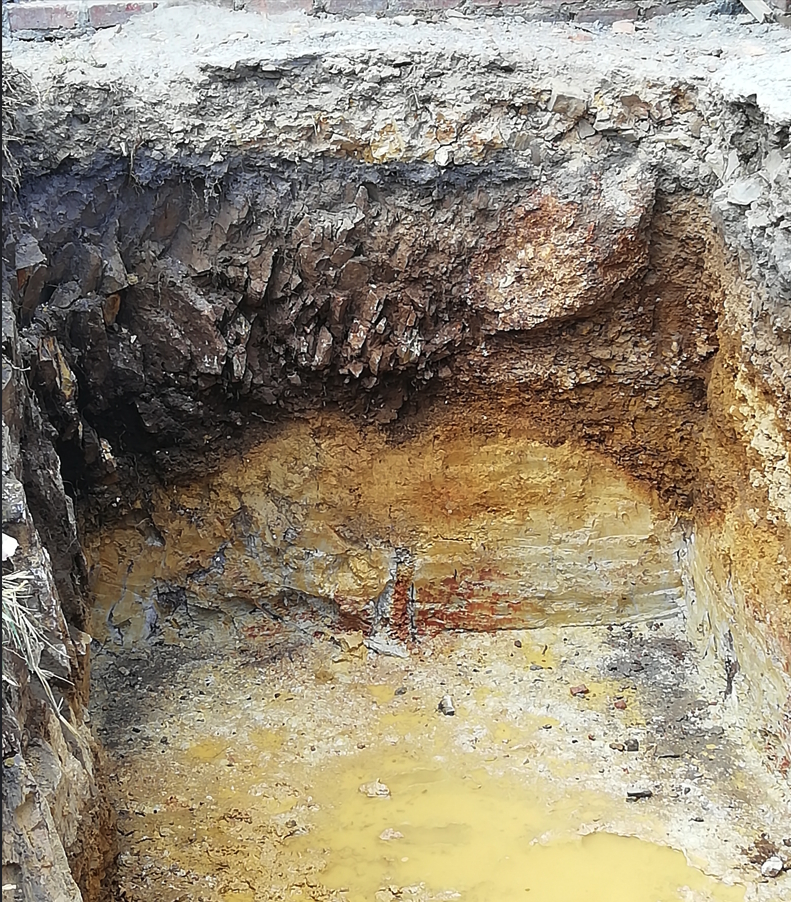
• Transported clays and silts
• Sandstone and quartzite bedrock decomposition
Each of these behaves differently under buildings - and more importantly, they react differently to moisture changes.
Aeolian Sands - The Silent Settlers
What are they?
Aeolian sands are fine, loose sands deposited by wind, common in coastal areas like Hermanus, Onrus, Sandbaai, and Vermont.
Engineering behavior
• Low cohesion (particles don’t stick together well)
• High permeability (water drains quickly)
• Susceptible to densification under load
Why they cause cracks
When a house is built on aeolian sand:
1. The sand may compress under the building’s weight
2. If not compacted properly during construction, settlement occurs over time
3. This leads to uneven support beneath foundations
Resulting crack patterns
• Diagonal cracks from window corners
• Stair-step cracks in brickwork
• Cracks that widen gradually over time
Key insight
These cracks often appear months or even years after construction, making them easy to misdiagnose.
Weathered Sandstone and Quartzite - Deceptively Variable
What are they?
Much of the Overberg sits on sandstone and quartzite formations. These rocks weather over time, forming soils that vary significantly in strength.
Engineering behavior
• Can range from very stiff to completely decomposed
• Strength varies over short distances
• Often includes layers of soft material beneath harder crusts
Why they cause cracks
The biggest issue here is differential founding conditions:
• One part of the house sits on firm material
• Another part sits on softer, weathered soil
This causes uneven settlement, even if the house was well built.
Resulting crack patterns
• Cracks concentrated in one section of the house
• Doors/windows sticking in localized areas
• Vertical cracks that suddenly appear
Key insight
Two houses next to each other can behave completely differently due to slight variations in underlying weathering.
Transported Soils - The Unpredictable Mix
What are they?
Transported soils are materials moved by water or gravity, including:
• Silts
• Clays
• Mixed sand-clay deposits
These are common in valley areas and lower-lying parts of the Overberg.
Engineering behavior
• Highly variable composition
• Often poorly compacted naturally
• Can include organic material
Why they cause cracks
These soils are problematic because they:
• Settle over time under load
• May contain weak layers or pockets
• React unpredictably to moisture
Resulting crack patterns
• Irregular cracking throughout the structure
• Floors may become uneven
• Cracks may appear suddenly after heavy rains
Clay Soils - The Most Dangerous Culprit
What are they?
Clay soils are fine-grained materials that expand when wet and shrink when dry.
Engineering behavior
• High plasticity
• Significant volume change with moisture variation
• Low strength when wet
Why they cause cracks
This is the most common cause of serious cracking:
1. In winter, clay absorbs water and expands
2. In summer, it shrinks as it dries
3. This repeated movement causes foundations to shift
Resulting crack patterns
• Seasonal cracks (open in summer, close in winter)
• Horizontal and diagonal cracks
• Movement around doors and windows
Key insight
Clay-related cracking is ongoing and progressive, not a once-off event.
Moisture - The Hidden Trigger
Across all soil types, moisture is the key driver of movement.
Sources include:
• Rainwater
• Poor drainage
• Leaking pipes
• Garden irrigation
Even stable soils can become problematic if moisture conditions change.
Why Cracks Are Often Misdiagnosed
Many homeowners assume:
• “The builder did a bad job”
• “The plaster is just failing”
• “It’s normal settlement”
While sometimes true, these assumptions often ignore the real issue: ground movement.
Without proper assessment, repairs may:
• Fail within months
• Hide the problem instead of solving it
• Waste significant money
When Should You Be Concerned?
Not all cracks are serious, but warning signs include:
• Cracks wider than 2–3 mm
• Cracks that are growing
• Doors/windows sticking
• Multiple cracks in different areas
• Cracks appearing after heavy rain or dry periods
The Importance of a Proper Structural Assessment
A professional assessment will:
• Identify the underlying soil behavior
• Determine whether movement is ongoing
• Distinguish between structural and cosmetic cracks
• Provide a targeted repair strategy
Conclusion
In the Overberg, cracks in walls are rarely random. They are usually a direct response to the complex and variable soil conditions beneath your home.
From shifting aeolian sands to moisture-sensitive clays, the ground is constantly interacting with your structure. Understanding this interaction is the key to protecting your property - and avoiding unnecessary repairs.